
Applications
Forestry, agriculture, and mine-site reclamation — each with the right product and dose.
Agrobay Forest
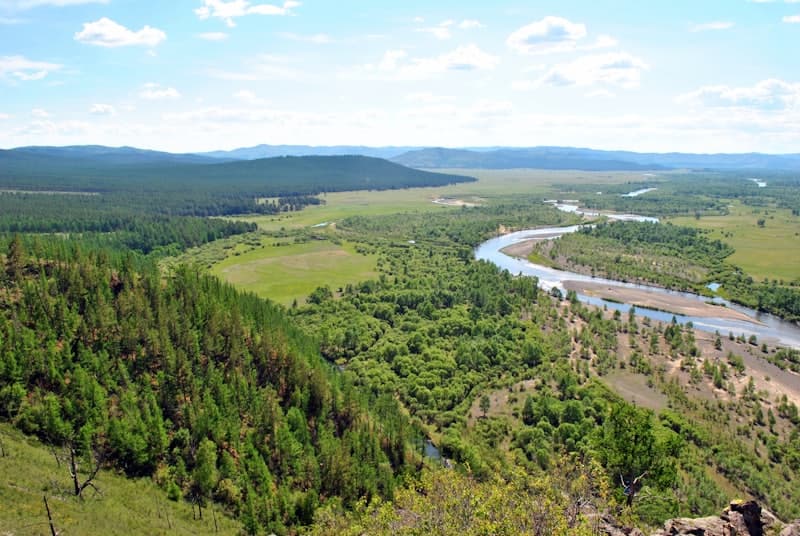
Forestry / Billion Trees
Problem
Mongolian forest cover has fallen sharply since 1990, and seedling survival in arid-zone planting routinely sits below 30%. Repeat irrigation logistics are the dominant cost.
Solution
Mixed into the planting hole, hydrogel keeps moisture in contact with the root for 1–3 years — lifting survival to ~95% without repeat irrigation.
✓ Seedling survival ~95% — the critical factor for Billion Trees plantings to deliver.
View product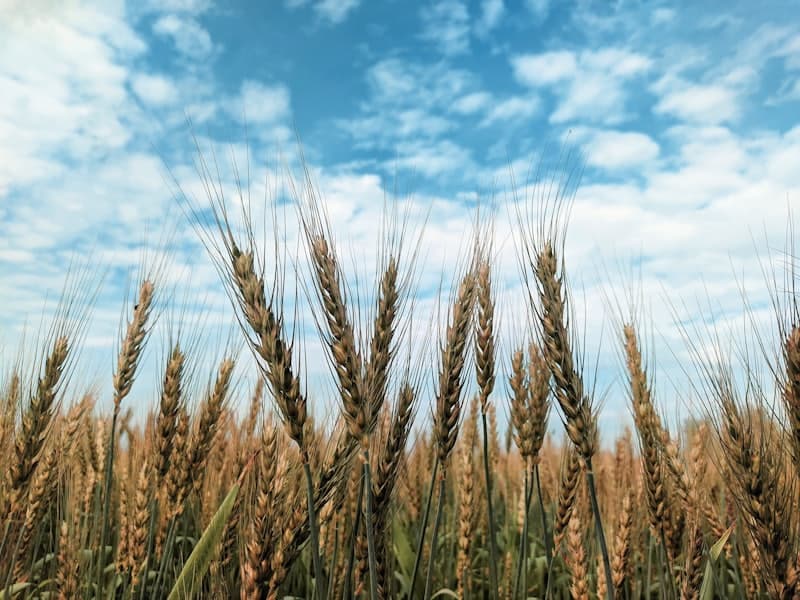
Agrobay Crop
Agriculture
Problem
Mongolia's wheat yield averages 1.6 t/ha against a 2.5 t/ha target. Annual rainfall is 225 mm and irrigation costs keep rising.
Solution
Banded with seed or applied at row, hydrogel stabilises soil moisture — cutting irrigation by −50% and lifting yields by +20–70%.
✓ Irrigation cost −50%, yields +20–70%. Fertilizer efficiency improves by ~65%.
View product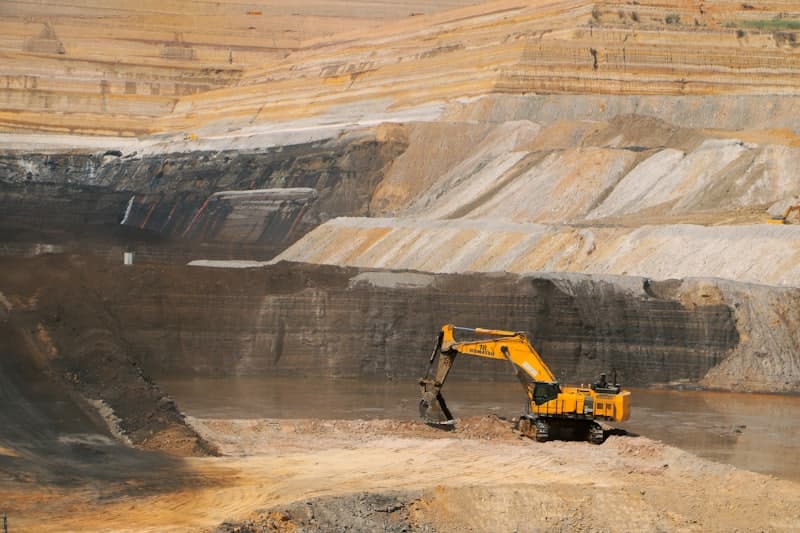
Agrobay Forest
Mine-site reclamation
Problem
Reclamation standards tighten every year. On slopes and tailings, holding moisture long enough for cover to establish is the binding constraint.
Solution
Mixed into the substrate or hydroseeded with a tackifier, hydrogel accelerates germination and ground cover while reducing slope erosion.
✓ Cover establishment 30–50% faster, with measurable reduction in slope erosion.
View product